CPG marketing helps consumer packaged goods brands increase visibility, drive sales, and compete in crowded retail and digital markets.
If you run a food, beverage, supplement, skincare, or household product brand, strong CPG marketing is not optional. Consumers make fast decisions, shelves are crowded, and digital discovery now happens before a shopper ever reaches the store.
This guide explains what CPG marketing is, how modern brands use it to grow, and why many companies choose professional CPG marketing support when growth becomes difficult to manage internally.
What Is CPG Marketing?
CPG marketing refers to the strategies used by consumer packaged goods brands to influence buying decisions across retail stores, e-commerce platforms, and digital channels.
Unlike service marketing, CPG marketing relies on:
- Repeated exposure instead of one-time conversion
- Strong brand recognition at the shelf
- Consistent messaging across digital and in-store touchpoints
CPG marketing includes brand positioning, social media, paid advertising, influencer programs, retail strategy, and retention efforts. The objective is simple: make the product recognizable and trusted before the moment of purchase.
Why CPG Marketing Is Different From Other Industries
CPG brands face unique challenges that standard digital marketing strategies do not solve.
Most categories are highly competitive, with similar products competing for limited attention. Purchase decisions are often made in seconds. Switching brands is easy, and discovery usually happens before intent exists.
Because of this, CPG marketing focuses on consistency, repetition, and visibility rather than direct-response tactics alone. Brands that fail to stay visible lose relevance quickly.
CPG Brand Marketing: Building Recognition and Trust
CPG brand marketing defines how a product is perceived before it is purchased.
In crowded categories, shoppers do not read long explanations. They respond to familiarity, clarity, and visual recognition. Strong CPG brand marketing ensures consumers understand what the product is, who it is for, and why it stands out.
Effective CPG brand marketing includes:
- Clear positioning and messaging
- Consistent tone across channels
- Packaging and visuals that stand out
- Repetition across digital and retail environments
Brand marketing creates the foundation that all other CPG efforts rely on.
Building a CPG Marketing Strategy That Drives Growth
A successful CPG marketing strategy connects all channels into a single system.
Most brands know what tactics exist. The challenge is executing everything together without fragmentation. Growth slows when content, advertising, influencers, and retail efforts operate separately.
A complete CPG marketing strategy includes:
- Social media for discovery and recall
- Paid advertising to reinforce awareness
- Influencer content to build trust
- Retail strategy to convert attention into sales
- Retention programs to drive repeat purchases
Brands that connect these elements scale more consistently than those relying on isolated tactics.
CPG Social Media Marketing
CPG social media marketing plays a critical role in modern brand discovery.
Consumers often see products on Instagram, TikTok, or YouTube before encountering them in-store. Social media builds familiarity long before purchase intent exists.
Effective CPG social media marketing requires:
- Consistent content production
- Short-form video showing real product use
- Community engagement through comments and replies
- Reuse of creator and customer content
Maintaining this level of consistency is difficult for many internal teams as brands grow.
CPG Advertising and Paid Media
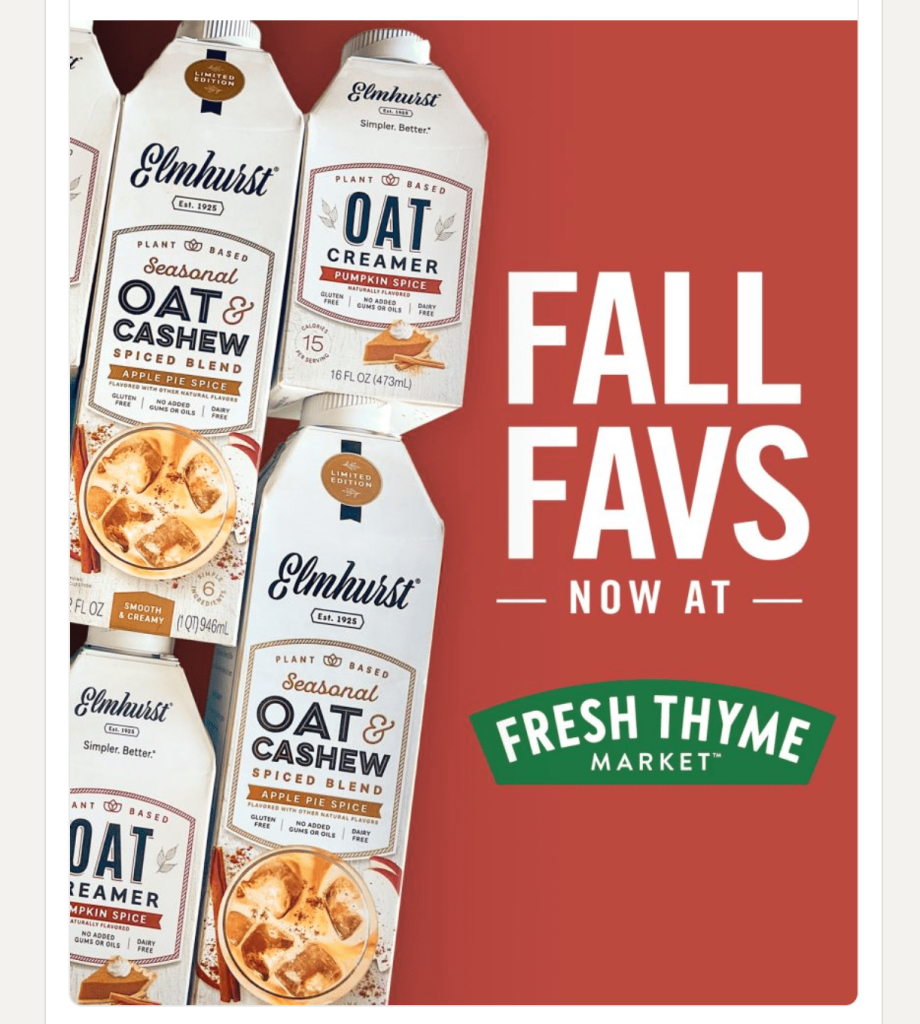
CPG advertising helps brands scale reach, support product launches, and maintain visibility during promotions.
Paid media works best when it amplifies strong creative and clear positioning rather than attempting to fix weak messaging.
Common CPG advertising channels include:
- Paid social for awareness and retargeting
- Search advertising for branded and category demand
- Retail media to influence purchasing close to checkout
Advertising should support the broader CPG marketing strategy, not operate independently.
Influencer Marketing for CPG Brands
Influencer marketing helps consumers understand how a product fits into real life.
Creators provide social proof and usage context that brand-owned content cannot. This is especially important for food, beverage, wellness, and lifestyle products.
Strong influencer programs focus on:
- Creator relevance over follower count
- Authentic product usage
- Content that can be reused across ads and social
Influencer marketing becomes significantly more effective when treated as an ongoing system rather than one-off campaigns.
Retail Strategy and Shelf Performance
Despite digital growth, most CPG purchases still happen in physical stores.
Retail strategy remains a core part of CPG marketing. Packaging clarity, shelf placement, and in-store promotions directly impact sales.
When digital marketing aligns with retail presence, shoppers are more likely to choose familiar products they have already seen online.
Retention and Repeat Purchases
Long-term growth in CPG marketing depends on repeat customers.
Retention strategies include email, SMS, loyalty programs, subscriptions, and product education. These efforts increase lifetime value and stabilize revenue.
Retention is where profitability is built for CPG brands.
When to Get Professional Help With CPG Marketing
Many CPG brands reach a point where growth slows despite having a strong product.
Common signs include:
- Inconsistent social media execution
- Paid ads that do not scale efficiently
- Influencer campaigns without measurable impact
- Strong retail presence with weak digital support
At this stage, CPG marketing becomes an operational challenge rather than a creative one. This is when many brands seek experienced CPG marketing support.
Why Brands Work With a CPG Agency Partner
CPG marketing requires coordination across content, advertising, creators, and retail strategy.
As brands grow, managing all of this internally becomes difficult and costly. Execution gaps slow momentum and waste spend.
Cool Nerds Marketing works with consumer brands across food, beverage, and consumer goods, supporting CPG brand marketing, CPG social media marketing, and CPG advertising through a connected, execution-focused approach.
Final Thoughts
CPG marketing is not about chasing trends or running isolated campaigns. It is about consistency, visibility, and execution across every place consumers discover products.
Brands that win are recognizable, trusted, and present everywhere their customers look.
If your brand is ready to grow and current efforts feel scattered or hard to manage, the issue is usually execution — not potential.